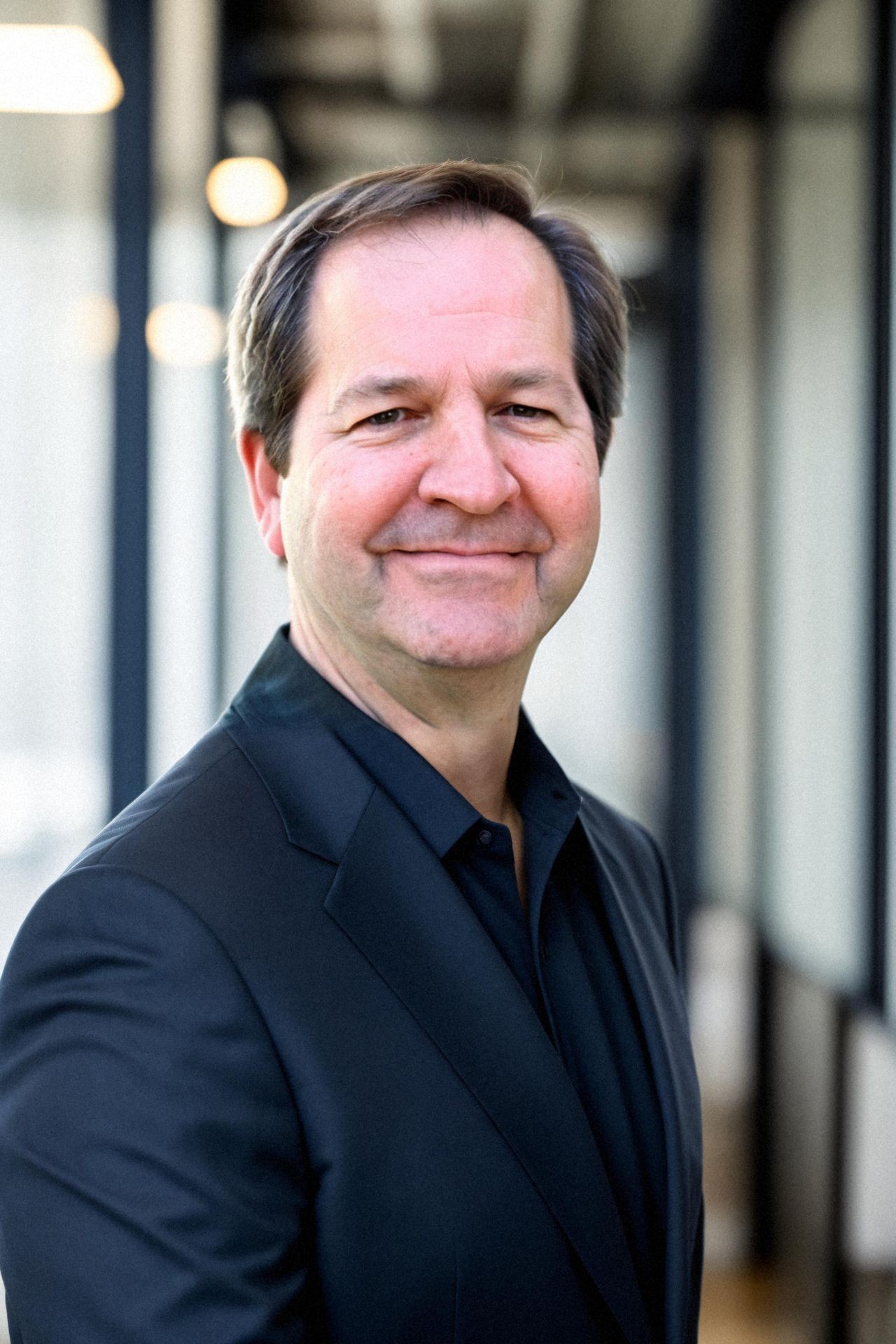
John W. Ryan
John W. Ryan advises CEOs of B2B software and IT services companies between $10M and $200M in revenue. He is the author of The Go-to-Market CEO, which defines GTM Architecture as a discipline that belongs to the CEO.
What is GTM Architecture?
GTM Architecture is the set of upstream decisions that determine whether a company can be found, understood, trusted, selected, and expanded. It rests on four pillars: the CEO Narrative, a precise ICP, an integrated motion across marketing, sales, and customer success, and a measurement framework that tells you whether any of it is working.
It sits above every function, which is why no function can build it. That's the argument of the book.
What is Legacy GTM?
Legacy GTM is the model most B2B companies still run: separate marketing, sales, and customer success systems, each with its own targets, connected by handoffs and scored in the CRM. It was built for a market where buyers were visible and the journey was linear. It fragments the signals a CEO now needs to govern growth.
Who is John W. Ryan?
John has spent 30 years running go-to-market inside B2B technology companies as a CMO, VP of Marketing, business unit GM, and board member. He was a founding board member of Webtrends, a public company acquired for $1.2 billion. He ran global marketing for Tivoli Systems, acquired by IBM for $750 million, and revenue grew 500% in the year that followed. He has taken a declining software business from a 30% revenue drop to 60% growth in a single year. After two years at Gartner working on vendor relations and sales, he led marketing for a $500 million Siemens division. Revenue grew, and the division was ranked a market leader for the first time.
He served as CMO for Crossfuze taking it from ServiceNow Partner Bronze to Elite status in two years. He has most recently led projects for Ippon Technologies, RocketRez, Empyrean, and Grant Thornton.
What does he write about?
The Go-to-Market CEO: GTM Architecture for the AI Era (2026) argues that GTM integration is an architectural problem the CEO owns. It covers the AI-first buyer, the Fragmentation Tax, the Four Rails, and Revenue per Headcount as the metric that tells you whether the architecture compounds.
Buyer Steps (2011) described the shift toward buyers running the process themselves before contacting vendors. That was years before it became the norm.
Common questions
What kind of companies does John work with?
B2B software and IT services companies between $10M and $200M in revenue, usually founder-led or private equity backed.
What problem does he solve?
Companies whose functions each work well and whose growth still stalls. That's an architecture problem, and it shows up as weak pipeline, long cycles, and disagreement about the cause.
What is Revenue per Headcount and why does it matter?
Revenue per Headcount is total revenue divided by total employees. It's the number that tells you whether your growth is compounding or just consuming, and it's the metric acquirers and PE sponsors now read first.
Has he done this himself?
Yes. Two exits, 30 years operating, and 50+ engagements inside companies in this size range.
How do you work with him?
Contact him here.
About John
He holds a second-degree black belt in Hapkido and spent years doing standup, which is reasonable preparation for telling CEOs things they don't want to hear. Married for over three decades, father to three adult children.